

Biometric Access Control
Access Granted. Identity Confirmed.
Fingerprint, facial recognition, and multi‑factor biometric access — the highest assurance that the person entering is exactly who they claim to be. Deployed 100% in‑house.
Trusted by 30+ enterprises across India




What is Biometric Access Control?
Biometric access control authenticates identity through a physical characteristic (fingerprint, face) that cannot be transferred, shared, or forgotten. Unlike a card or PIN, it is always present.
- Fingerprint (optical or capacitive) — secure and cost‑effective
- Face recognition — contactless, hygienic
- Multi‑modal (face + card, face + PIN) — highest assurance
- Liveness detection — prevents spoofing with photos or replicas
Best suited for:
- ✓ Server rooms & data centres
- ✓ Pharmaceutical clean rooms
- ✓ Research & laboratory facilities
- ✓ Finance & vault access
- ✓ HR and records departments
“RFID cards are shared. PINs are observed. Without biometrics, you are not controlling access — you are hoping the right person is using the right credential. Biometrics don't hope. They verify.”
What Layerix Delivers
Complete biometric access control from survey to enrolment.
Reader Types & Technology
Choose the right biometric reader for your security level.
| Type | Assurance | Best For |
|---|---|---|
| Fingerprint (optical) | High | Standard office & industrial |
| Fingerprint (capacitive) | Very high | High‑security areas |
| Face recognition | High (contactless) | Hygienic / pharma / healthcare |
| Multi‑modal (face + card or face + PIN) | Highest | Server rooms, vaults |
🔐 What is liveness detection?
Modern biometric readers use liveness detection to prevent spoofing with printed photos, silicone fingerprints, or video replays. The sensor verifies that the biometric sample comes from a live person by detecting blood flow, skin texture, or 3D depth. This ensures that only real users — not fraudulent copies — gain access.
Our Biometric Deployment Process
From survey to enrolment — all in‑house.
Site Survey
Walk each entry point, assess security classification and environmental conditions.
Zone Classification
Classify zones — public, restricted, high‑security — and define access policies.
Reader & Controller Selection
Choose fingerprint, face, or multi‑modal readers based on security level.
Civil & Power Prep
Coordinate door frames, power outlets, and conduit routes with your civil team.
Installation & Wiring
100% in‑house team. Every reader, controller, and lock installed and labelled.
Enrolment & Configuration
User enrolment, access policies, time zones, and anti‑passback configured.
Test & Handover
Every door tested for grant, deny, forced entry alarm, and fire release.
✓ Data Centre • Chennai
Multi‑modal biometric access for server floor
Multiple unauthorised access attempts; card system had no individual accountability.
Solution: Deployed multi‑modal biometric readers (fingerprint + card) at all server room entry points, integrated with mantrap interlocks.
✓ Outcome: Zero tailgating incidents, full audit trail for all personnel, passed ISO 27001 audit with clean logs.
Real Engineers. Real Readers. Real Deployments.
Live biometric access installations across India – data centres, pharma facilities, corporate offices, and industrial sites.
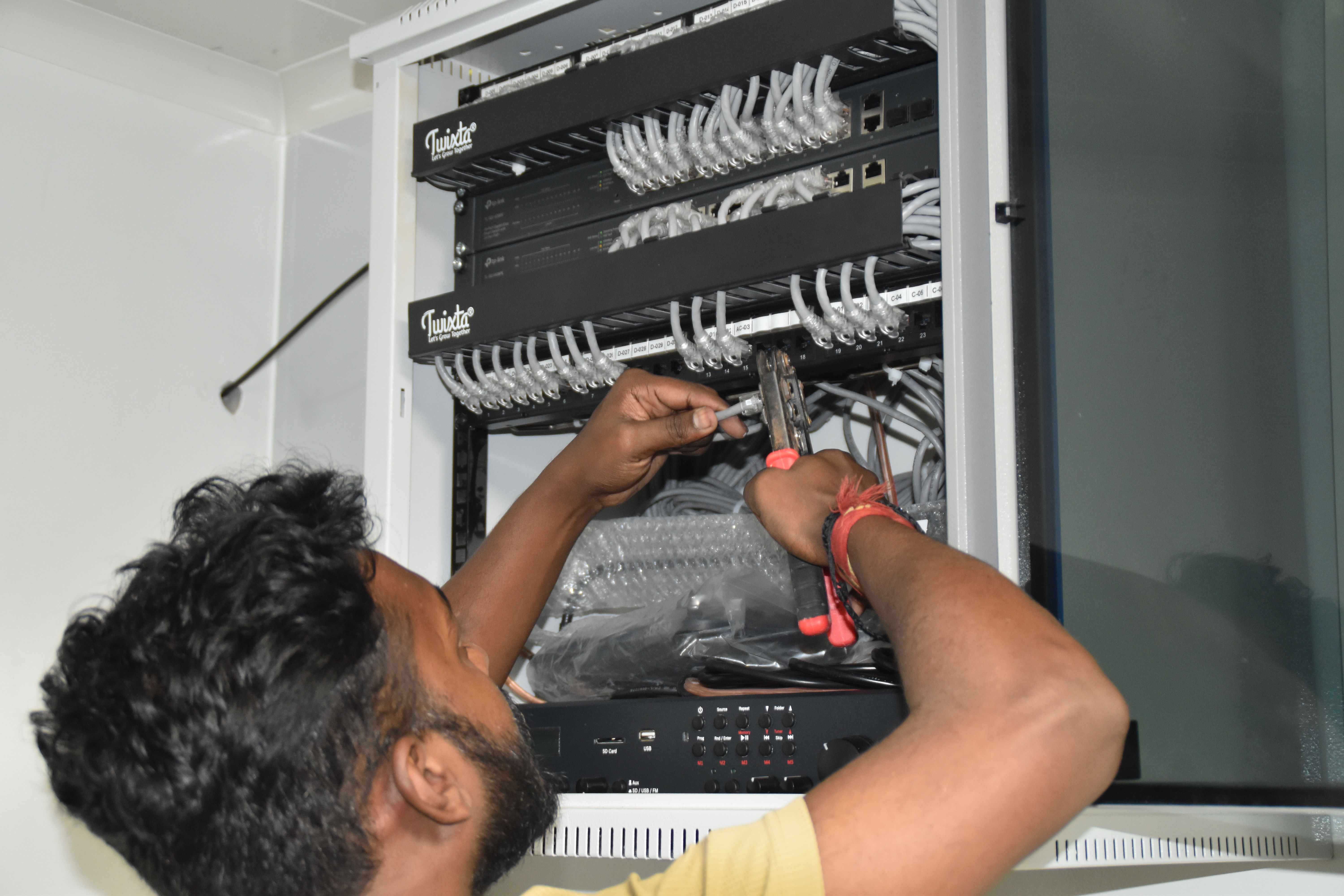
Technician fitting biometric reader to door frame – Corporate Office, Mumbai
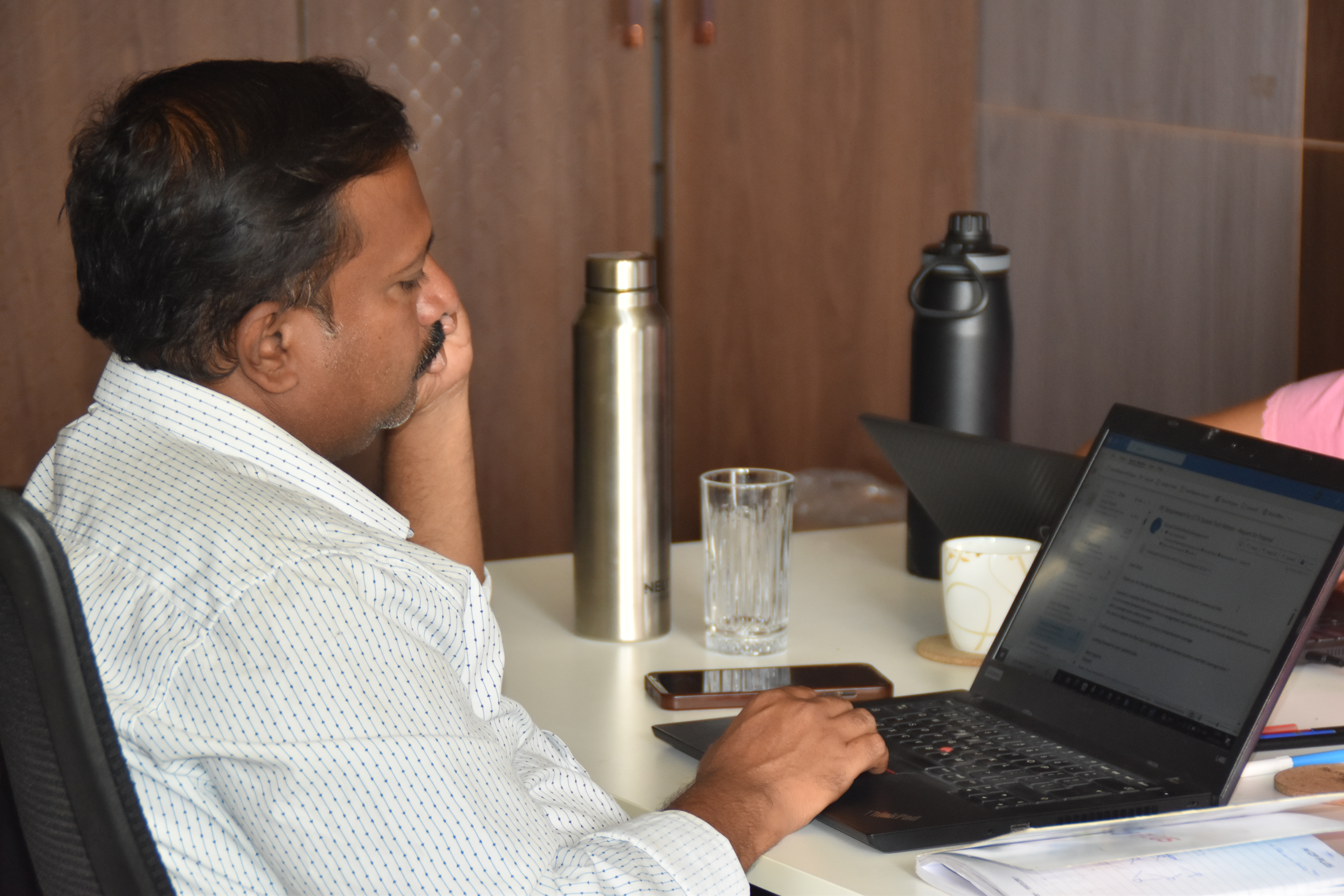
Engineer enrolling fingerprints on admin terminal – Pharma Facility, Hyderabad
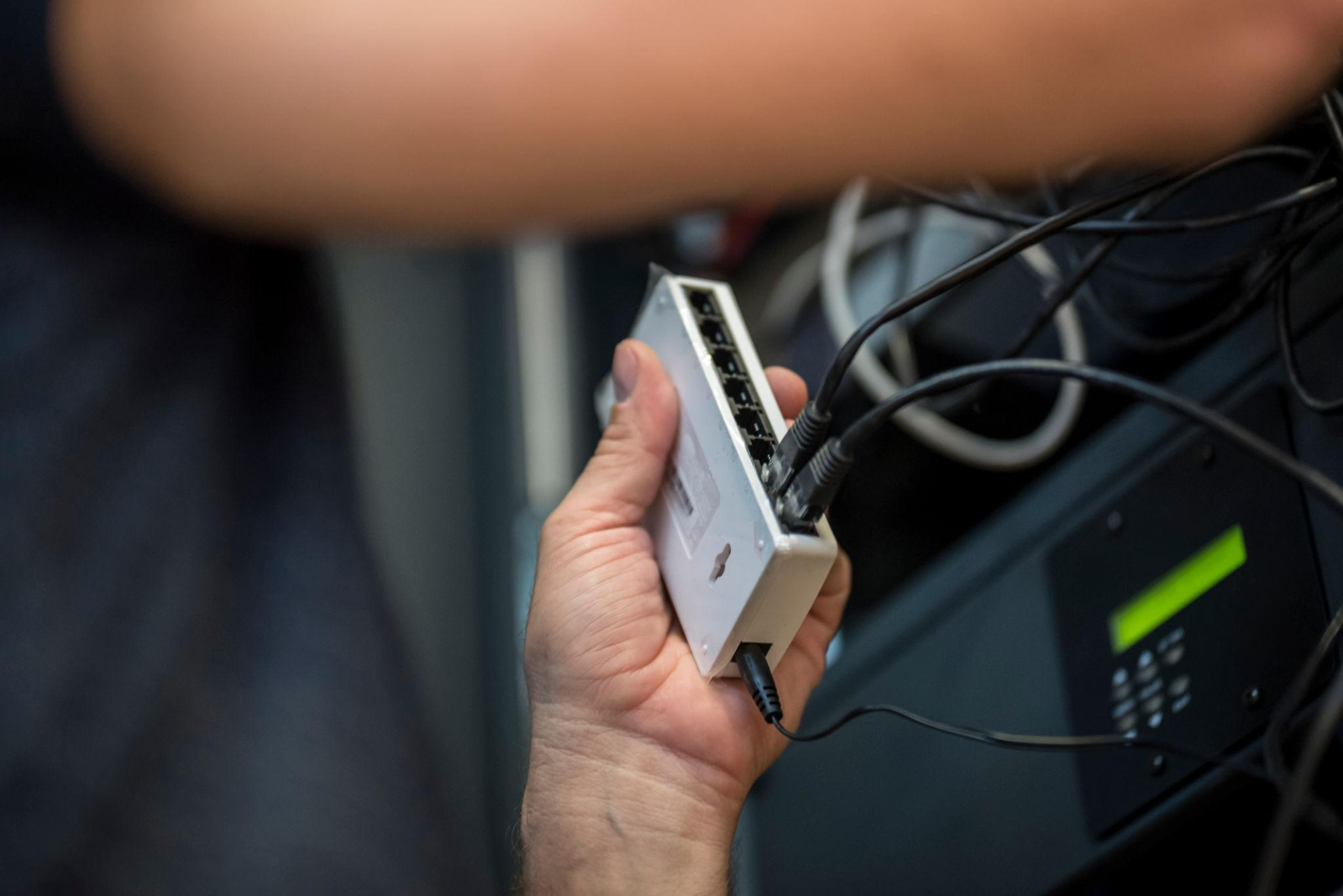
Finished installation – reader, lock, and conduit – Clean finish, Bengaluru
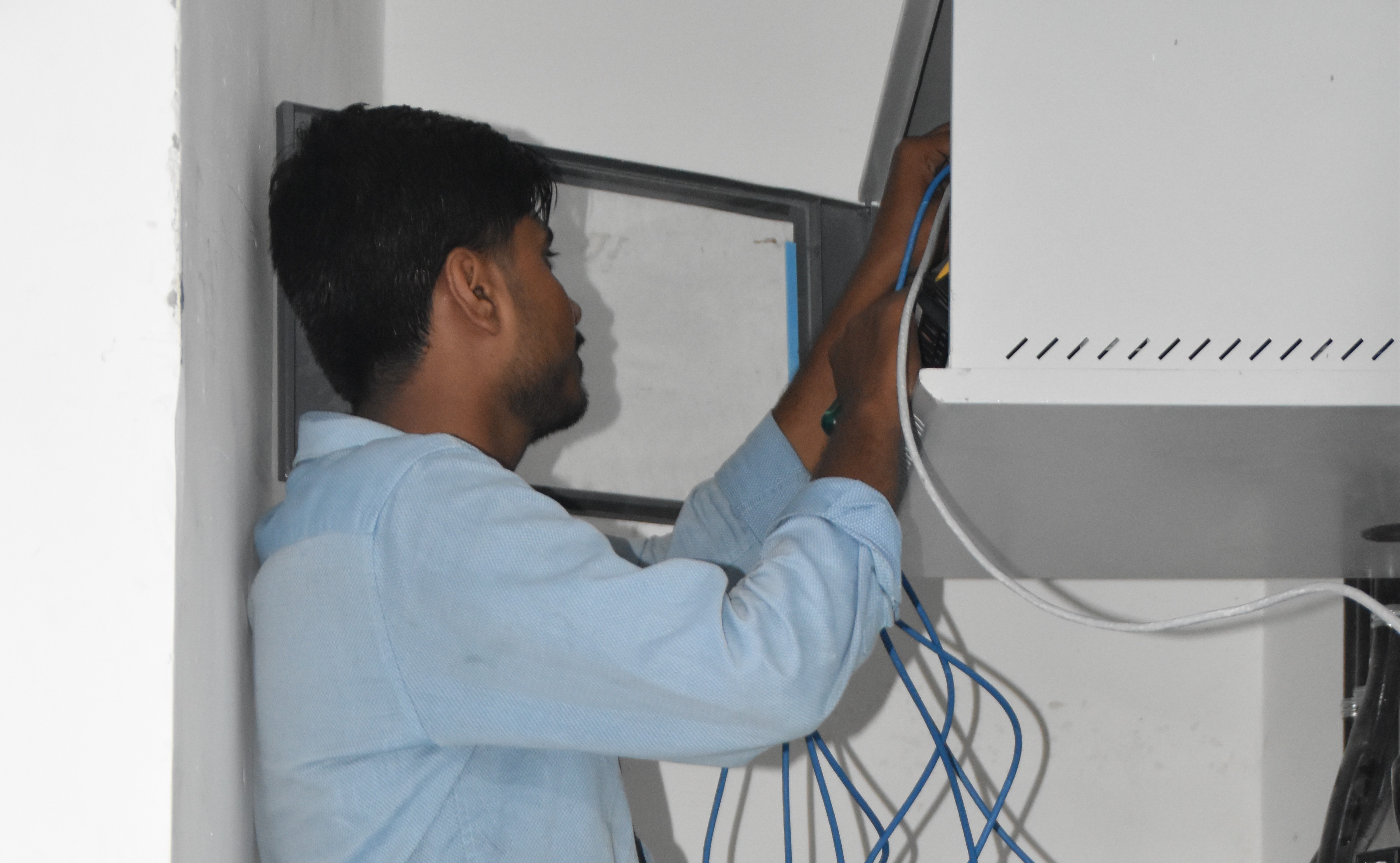
Resident IT engineer support — Yaas Technology Solutions, Karnataka
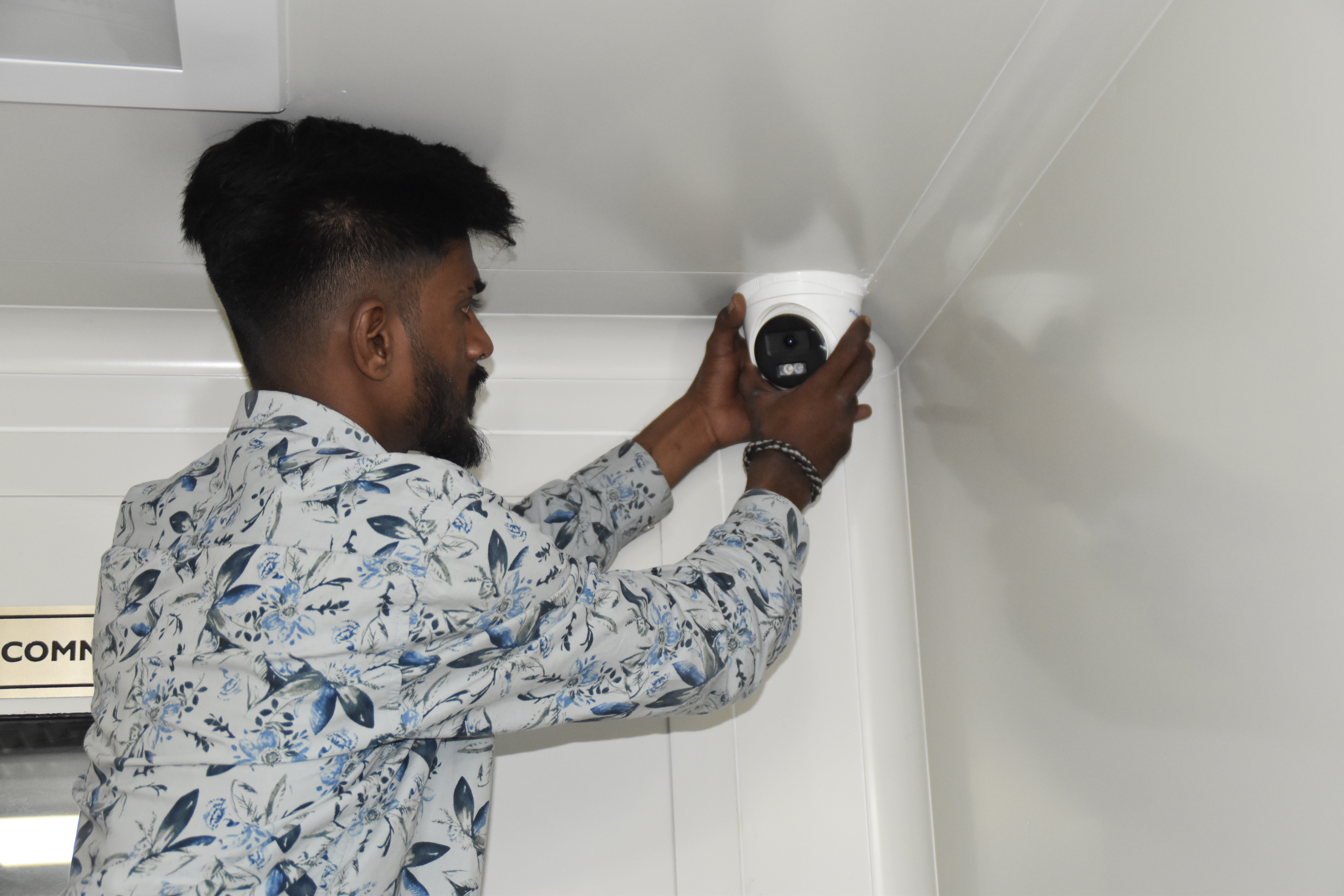
Healthcare network deployment — HCG Cancer Hospital Tower 6, Karnataka
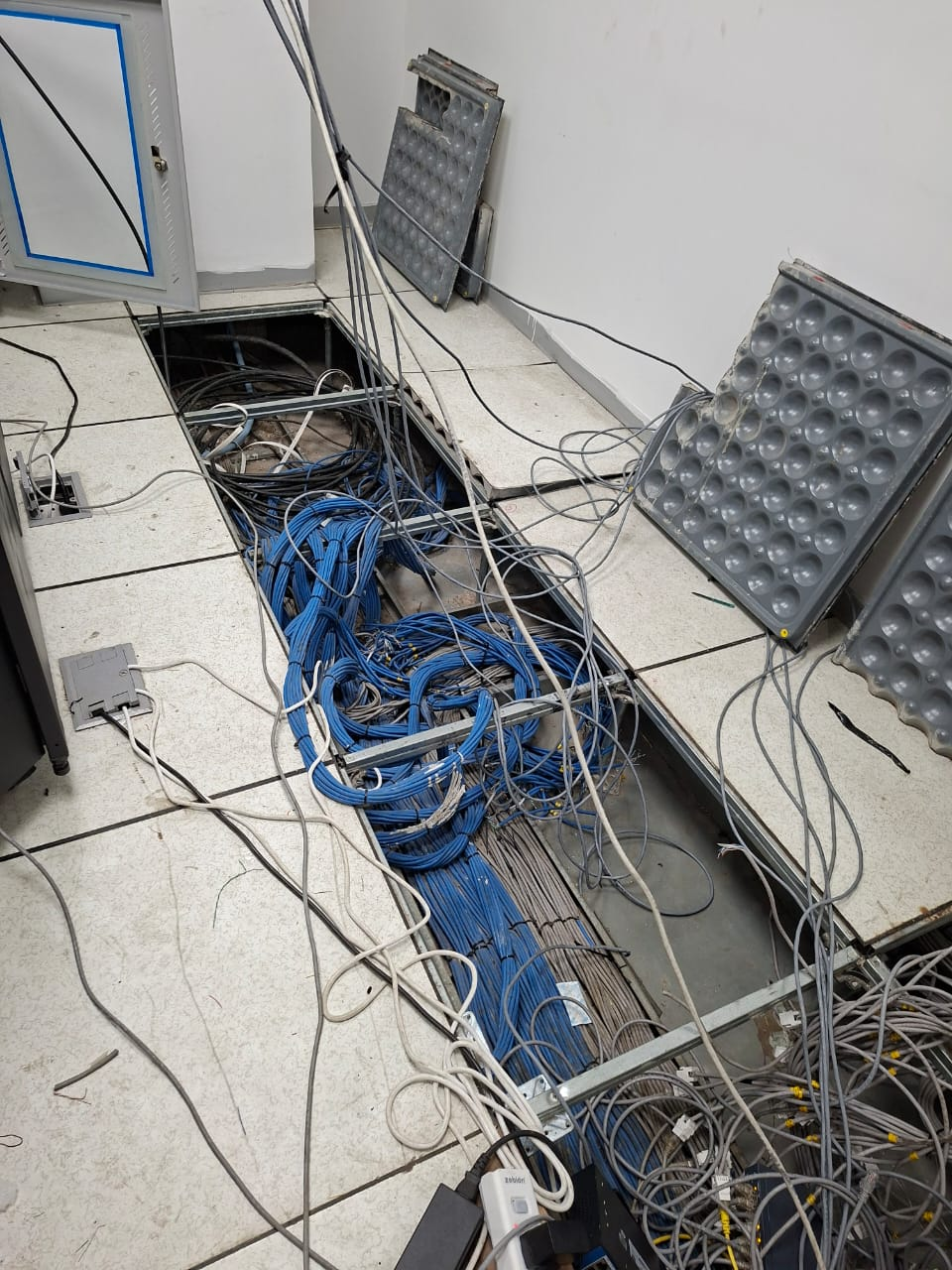
Enterprise infrastructure rollout — KRR Engineering Solutions, Tamil Nadu
25+ Biometric Deployments Across India
Fingerprint, face recognition, multi‑modal access – all delivered in‑house.
Trusted Across Industries in India
Data Centres
Pharmaceuticals
Corporate Offices
Research Labs
Banking & Finance
Hospitals & Healthcare
Manufacturing
Education
“Layerix installed multi-modal biometric readers at our data centre. Tailgating eliminated, full audit trail, passed ISO 27001 audit with clean logs. Outstanding.”
Data Centre Manager
IT Infrastructure Firm, Chennai
“We needed biometric access for our clean rooms. Layerix deployed fingerprint readers with liveness detection. Zero unauthorised access attempts, GMP audit passed.”
Facilities Head
Pharmaceutical Company, Hyderabad
Frequently Asked Questions
Everything you need to know about biometric access control.
What happens if a fingerprint is not recognised?+
This can occur due to dry skin, poor placement, or low enrolment quality. We configure backup PINs for each user, and administrators can re-enrol the fingerprint. Modern readers also support multiple finger enrolment for redundancy.
Can biometric data be stolen or hacked?+
Biometric templates are stored as encrypted mathematical representations on the reader itself, never as raw images. Most systems store data locally on-device, making remote hacking extremely difficult. We also follow strict data protection practices.
What is liveness detection?+
Liveness detection prevents spoofing with printed photos, silicone fingerprints, or video replays. The sensor verifies that the biometric sample comes from a live person by detecting blood flow, skin texture, or 3D depth.
What is multi-factor authentication in access control?+
Multi-factor requires two or more credentials: e.g., fingerprint + card, or face + PIN. This dramatically reduces the risk of unauthorised entry, even if one factor is compromised.
Does facial recognition work with masks or glasses?+
Modern facial readers use algorithms that can identify individuals even with masks (focusing on eyes/forehead) and glasses. For high-security applications, we recommend removing masks for enrolment or using multi-factor.
What is anti-passback and do we need it?+
Anti-passback prevents a user from entering again without first exiting. It stops credential sharing and tailgating. We recommend it for any high-security zone.
Our Success Stories
Real biometric deployments across India






Ready to Verify Identity, Not Just a Card?
Book a biometric access assessment. Our engineer walks your site, classifies zones, recommends the right readers, and gives you a fixed‑price proposal – no obligation.
Response within 2 business hours · Pan‑India deployments · 100% in‑house team